The home construction process begins with careful planning and preparation, which sets the foundation for a successful project. During this phase, homeowners work with architects, designers, and contractors to finalize plans, budgets, and timelines. Permits are secured, site evaluations are conducted, and design decisions are made regarding layout, materials, and features. This stage is essential for ensuring that all aspects of the project are clearly defined before construction begins, helping to avoid delays and unexpected costs later on. Proper planning also allows homeowners to align their vision with practical considerations, creating a roadmap for the entire build.
Site Preparation and Foundation Work
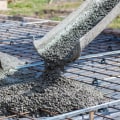
Once planning is complete, the next phase involves preparing the construction site and laying the foundation. This includes clearing the land, leveling the ground, and setting up necessary infrastructure. Excavation is performed to create space for the foundation, which is then poured and reinforced to provide a stable base for the structure. This stage is critical, as the quality of the foundation directly impacts the durability and safety of the home. Inspections are typically conducted to ensure that the foundation meets all building codes and standards before moving forward.
Framing and Structural Development
After the foundation is set, the framing phase begins, bringing the structure of the home to life. This stage involves constructing the walls, floors, and roof framework, giving the home its shape and layout. Structural components such as beams, joists, and trusses are installed to support the building. At this point, homeowners can start to visualize the final design as the skeleton of the home takes form. Proper framing ensures that the structure is strong and aligned, providing a solid framework for the remaining construction phases.
Installing Essential Systems
With the structure in place, attention turns to installing essential systems that support daily living. This includes electrical wiring, HVAC systems, and plumbing. Working with professionals, such as a local plumber, ensures that water supply lines, drainage systems, and fixtures are installed correctly and efficiently. These systems are carefully integrated into the structure, often hidden behind walls and floors. Inspections are conducted to verify that all installations meet safety and performance standards before proceeding to the next phase.
Interior and Exterior Finishing
Once the core systems are installed, the construction process moves into the finishing stage. This includes installing insulation, drywall, flooring, cabinetry, and fixtures, as well as completing exterior elements such as siding, roofing, and landscaping. During this phase, the home begins to take on its final appearance, with design choices becoming visible in every detail. Attention to craftsmanship and quality is essential to ensure that the finished home meets both aesthetic and functional expectations.
Final Inspections and Move-In Preparation
The final phase of home construction involves inspections and preparation for move-in. Building inspectors review the property to ensure that all work complies with local codes and regulations. Any remaining adjustments or touch-ups are completed to address minor issues and ensure that everything is in working order. Once approvals are obtained, homeowners can prepare to move into their new space. This stage marks the culmination of the construction process, bringing together all the planning, effort, and coordination that went into building the home.
Bringing Your Vision to Life
Understanding each phase of home construction helps homeowners navigate the process with confidence and clarity. From initial planning to final inspections, every step plays a vital role in creating a safe, functional, and visually appealing home. By working with experienced professionals and staying informed throughout the process, homeowners can ensure that their vision is successfully brought to life.