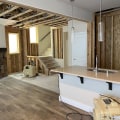
Utility systems are a critical component of any successful home building project, forming the backbone that supports daily living. While structural elements like framing and roofing are often the focus during construction, utilities such as plumbing, electrical, and HVAC systems are what make a home functional and comfortable. These systems must be carefully planned and integrated early in the building process to ensure efficiency and long-term reliability. Without proper coordination, even a well-designed home can face operational issues that lead to costly repairs and inconvenience for homeowners.
Planning and Design for Seamless Integration
The success of utility systems begins in the planning phase, where architects, engineers, and contractors collaborate to map out how each system will function within the home. Proper placement of pipes, wiring, and ducts ensures that systems operate efficiently without interfering with one another. For example, plumbing layouts must account for water pressure, drainage, and accessibility, while electrical systems need to support both current and future power demands. Consulting with professionals such as a plumber in North Austin TX during the design stage helps identify potential challenges and ensures that the plumbing infrastructure is built to handle long-term use. Thoughtful planning at this stage prevents complications during construction and reduces the need for adjustments later on.
Enhancing Efficiency and Sustainability
Modern home building projects place a strong emphasis on energy efficiency and sustainability, and utility systems play a key role in achieving these goals. High-efficiency HVAC systems, water-saving plumbing fixtures, and smart electrical solutions all contribute to reducing energy consumption and environmental impact. Proper insulation and system design further enhance performance, ensuring that the home maintains comfortable temperatures and efficient water usage year-round. By integrating advanced technologies and sustainable practices, builders can create homes that are not only functional but also environmentally responsible and cost-effective to maintain.
Ensuring Safety and Code Compliance
Utility systems must meet strict safety standards and building codes to protect homeowners and ensure reliable operation. Electrical wiring must be properly grounded, plumbing systems must prevent leaks and contamination, and HVAC systems must provide adequate ventilation. Failing to meet these requirements can lead to serious hazards, including electrical fires, water damage, or poor indoor air quality. Professional contractors are well-versed in local regulations and ensure that every system is installed according to code. This attention to detail not only safeguards the home but also prevents legal and insurance complications that could arise from non-compliance.
Supporting Long-Term Functionality
A well-designed utility system is an investment in the long-term functionality of a home. Quality materials, proper installation, and regular maintenance all contribute to systems that perform reliably over time. Homeowners benefit from fewer breakdowns, lower repair costs, and improved overall comfort. Additionally, well-planned utility systems make future upgrades or expansions easier, allowing homeowners to adapt their living space as their needs change. This flexibility adds value to the property and ensures that it remains functional for years to come.
Building a Home That Works from the Inside Out
Ultimately, the role of utility systems in home building goes far beyond basic functionality—they are essential to creating a safe, efficient, and comfortable living environment. By prioritizing careful planning, professional expertise, and high-quality installation, builders can ensure that these systems work seamlessly together. A home that is well-equipped with reliable utility systems not only meets the needs of its occupants but also stands the test of time, providing lasting value and peace of mind.