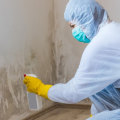
Preventing future pest issues begins long before a home is completed—it starts during the construction phase. Incorporating smart pest control strategies early in the building process allows homeowners and contractors to address vulnerabilities before they become long-term problems. By evaluating the site, understanding local pest risks, and implementing preventative measures, builders can create structures that are more resistant to infestations. This proactive approach not only protects the home but also reduces the need for costly treatments and repairs later on.
Sealing Entry Points and Structural Gaps
One of the most effective ways to prevent pests is by eliminating entry points during construction. Small gaps, cracks, and openings around foundations, windows, and roofing can serve as easy access points for insects and wildlife. Proper sealing techniques, including the use of durable materials and tight-fitting components, help create a barrier that keeps pests out. Attention to detail in areas such as vents, utility openings, and door frames ensures that the structure remains secure. Addressing these potential entry points early on significantly reduces the likelihood of future infestations.
Managing Moisture and Environmental Conditions
Moisture control is a critical factor in pest prevention, as damp environments attract a variety of pests, including termites, rodents, and insects. During construction, proper drainage systems, grading, and ventilation must be implemented to prevent water accumulation around the home. Installing moisture barriers and ensuring adequate airflow in crawl spaces and attics further reduces the risk of pest-friendly conditions. By maintaining a dry and well-ventilated environment, homeowners can discourage pests from settling in and causing damage.
Choosing Materials That Resist Infestation
The selection of building materials also plays a key role in preventing pest problems. Using treated wood, pest-resistant insulation, and durable exterior finishes can help deter infestations. These materials are designed to withstand environmental factors and reduce the likelihood of damage caused by insects or wildlife. Additionally, incorporating protective features such as metal flashing and screens can provide an extra layer of defense. Choosing the right materials ensures that the home remains structurally sound and less susceptible to pest-related issues over time.
Collaborating with Pest Control Professionals
Working with experienced pest control professionals during construction can provide valuable insights and ensure that preventative measures are implemented effectively. Experts, including a trusted wildlife removal company near Reno, can assess potential risks and recommend solutions tailored to the specific environment. Their expertise helps identify hidden vulnerabilities and ensures that all aspects of pest prevention are addressed. This collaboration enhances the overall effectiveness of the construction process and provides homeowners with added peace of mind.
Long-Term Benefits of Proactive Pest Control
Ultimately, integrating smart pest control strategies during home construction offers long-term benefits that extend beyond immediate protection. By preventing infestations before they occur, homeowners can maintain a healthier living environment, avoid costly repairs, and preserve the value of their property. Proactive planning, combined with quality construction practices, creates a strong foundation for a pest-resistant home. This forward-thinking approach ensures that the home remains safe, comfortable, and well-protected for years to come, highlighting the importance of addressing pest control at every stage of construction.