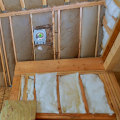
Water damage is often seen as a sudden disaster—a burst pipe, a leaky roof, or a flooded basement—but in reality, many of the worst cases begin years earlier, quietly hiding behind the drywall in choices made during construction. Builders, contractors, and subcontractors may not realize it at the time, but their decisions about materials, sealing, drainage, and even wall placement can create the perfect environment for moisture to intrude and stay. For example, skipping or misapplying vapor barriers in exterior walls can allow warm, moist air to condense inside wall cavities, feeding mold long before a stain ever appears. Using the wrong type of insulation—like paper-faced batts in a humid basement—can trap moisture instead of preventing it. Even where builders follow code, choices made to save time or money, such as caulking instead of flashing, or relying on surface grading alone to direct water away from the foundation, can backfire when the first heavy rain arrives. Small oversights like these don’t make headlines, but they do make homes vulnerable.
Design Details That Let Moisture In
Modern construction often prioritizes efficiency and aesthetics, but moisture doesn’t care about clean lines or open floor plans. A tightly sealed building envelope is great for energy, but without proper ventilation and humidity control, it can become a sealed box where water vapor builds up with nowhere to go. Bathrooms and laundry rooms are especially prone to problems when exhaust fans are undersized or vented into attics instead of outside. Similarly, improperly sloped shower pans, unsealed tile grout, or lack of waterproofing under flooring can allow water to seep downward, soaking subfloors undetected until they warp or rot. Even in new homes, plumbing runs through walls and ceilings where one poorly fitted joint or loose connection can create a slow leak that takes months to reveal itself. At that point, the damage isn’t just cosmetic—it’s structural. Drywall crumbles, studs swell and split, and insulation becomes useless. This is where restoration experts get involved, tracing damage that started with a nail, a cut corner, or an overconfident assumption that “it should be fine.” And once water has been trapped behind walls, especially in warm climates, mold can develop in as little as 24–48 hours.
Prevention Requires Partnership
To reduce water damage risks, builders need to think like restorers—people who spend their days undoing the hidden mistakes of the past. That means incorporating smart design from the start: using mold-resistant drywall in at-risk areas, installing exterior drainage planes behind cladding, and ensuring roofing and flashing systems are layered properly. It also means proper communication between trades—plumbers, HVAC installers, electricians, and framers—so that penetrations through floors, ceilings, and exterior walls are sealed and protected. Inspection and testing during and after construction can catch issues early, but too often, those steps are skipped or rushed. In places where water intrusion is a frequent issue, some professionals are building proactive relationships with specialists like First Choice Water Damage Experts, bringing them in not only for cleanup but as consultants during the construction phase. This kind of collaboration turns reaction into prevention, saving homeowners money, stress, and the health risks that come with long-term moisture exposure. The truth is, water damage doesn’t start with the first drop—it starts with the first decision that forgot to plan for where water might go.